Germany's Security on Alert: Analyzing the Iran Conflict Impact
The intensifying conflict in the Persian Gulf region, marked by escalating military actions involving Israel, the United States, and Iran, has sent ripples of concern across the globe. While geographically distant from the immediate battleground, Germany finds itself acutely aware of the potential for far-reaching consequences. The central question for policymakers and citizens alike revolves around the direct and indirect impacts on Germany's national security, its economic stability, and its social fabric. The evolving dynamics of the Iran conflict mean Germany is bracing for a complex array of challenges, from heightened domestic security threats to the specter of new migratory pressures.
The Regional Tinderbox: Understanding the Escalation
The Middle East is a region perennially on edge, but recent developments have pushed it closer to a full-scale conflagration. The reference context highlights a scenario where military strikes by Israel and the United States against targets within Iran have been met with retaliatory actions from Tehran, notably against U.S. military bases in neighboring Gulf states like the UAE, Bahrain, and Qatar. This tit-for-tat escalation mirrors decades of diplomatic warnings about a regional flashpoint. The stated objective of these combined military efforts, as indicated in the context, is regime change in Tehran—a goal that, if pursued, could dramatically reshape the geopolitical landscape.
Such a large-scale conflict carries immense implications beyond its immediate theater. A primary concern is the potential blockade of the Strait of Hormuz, a critical maritime chokepoint through which a significant portion of the world's oil supply passes. The strangulation of this vital artery would not only send global energy markets into turmoil but could also severely disrupt international trade, affecting industrial nations like Germany disproportionately due to their reliance on stable supply chains and energy imports. The ripple effects on global prices and economic confidence would undoubtedly be felt across Europe, challenging Germany's robust but export-dependent economy.
Germany's Domestic Security Posture: Vigilance, Not Panic
Despite not being a direct party to the conflict, the German federal and state security authorities are operating with heightened vigilance. The situation is described as "tense, but no panic," indicating a controlled and proactive approach. Crisis meetings and consultations are ongoing at all levels, including discussions among federal and state interior ministers. The immediate focus of these efforts is on enhancing the protection of specific sites within Germany that could become potential targets in a climate of increased international tension. This includes:
- Jewish Institutions: Synagogues, community centers, and other Jewish facilities are considered particularly vulnerable. This stems from a historical context of antisemitic violence and the potential for proxy attacks by groups aligned with Iran, which vehemently opposes Israel's existence. Protecting these sites is a cornerstone of Germany's commitment to its Jewish community and to combating extremism.
- U.S.-Related Locations: American military bases, embassies, cultural centers, and businesses could also be at risk. As a key NATO ally and host to a substantial U.S. military presence, Germany understands the potential for these locations to become targets of retaliatory actions from state-sponsored actors or extremist groups seeking to harm American interests abroad.
The German government's proactive measures reflect a sophisticated understanding of modern security threats, encompassing both state-sponsored terrorism and the actions of radicalized individuals or groups inspired by global conflicts. These efforts aim to prevent domestic spillover from the regional conflagration and maintain public safety and confidence.
The Looming Shadow of Migration: A Humanitarian and Political Challenge
Perhaps one of the most significant long-term concerns for Germany, reiterated by the reference context, is the potential for new refugee waves. A full-scale regional conflict in the Middle East would inevitably lead to a humanitarian catastrophe, displacing millions from their homes. Historically, Germany has been a significant destination for asylum seekers, and the memory of previous large-scale migration movements continues to shape political discourse and policy.
The prospect of a new influx of refugees presents Germany with a dual challenge:
- Humanitarian Imperative: As a nation committed to human rights and international law, Germany faces the moral imperative to offer refuge to those fleeing persecution and war.
- Political and Social Strain: However, managing large-scale migration places considerable strain on social services, integration efforts, and political consensus. Concerns about uncontrolled migration, as voiced by politicians like Markus Frohnmaier of the AfD, reflect a broader political sensitivity within Germany. His emphasis on ensuring potential refugee movements "remain in the region" and do not trigger "uncontrolled migration" to Germany underscores the domestic political dimension of this issue. For more on this, read our detailed analysis: Iran War: Germany Braces for New Refugee Wave Concerns.
The challenge lies in finding a balanced approach that addresses humanitarian needs while also managing the social and political implications within Germany and the wider European Union.
German Political Reactions: A Spectrum of Concerns
The military escalation has elicited a range of responses from across Germany's political spectrum, reflecting the complexity and sensitivity of the situation. These reactions highlight key domestic and foreign policy priorities for different parties:
- Support for Preventive Action & Condemnation of Iran: Prominent voices from the conservative CDU party, such as Hessian Minister President Boris Rhein, have characterized the strikes by Israel and the U.S. as a "preventive strike" against the "criminal Mullah dictatorship" in Iran. Rhein condemned the Iranian regime as a "major financier of international terrorism" and highlighted its brutal repression of its own citizens. Similarly, CDU foreign policy expert Roderich Kiesewetter justified the military action, citing Iran's alleged violations of the international nuclear agreement and its consistent threat to Israel's existence. He described the attack as "carefully planned and limited" with "prospects for success" against a regime that also brutally suppresses internal opposition. This perspective emphasizes security and the non-proliferation of nuclear weapons, alongside support for Israel.
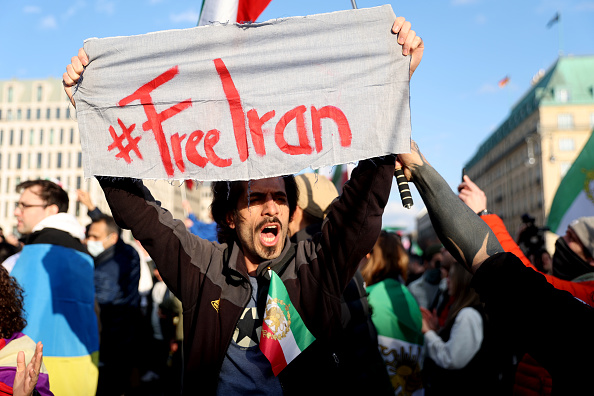
- Expressions of Concern: On the other hand, figures like Omid Nouripour, Vice President of the German Bundestag, expressed solidarity with the people of Iran, indicating a focus on human rights within the country. Ralf Stegner, Deputy Chairman of the SPD, labeled the developments as "worrisome," reflecting a broader concern for regional stability and de-escalation rather than explicit support for military action.
- Domestic Security and Migration Focus: Markus Frohnmaier of the AfD, while acknowledging the need to prevent potential terror attacks in Germany, specifically highlighted the imperative to manage potential refugee movements, advocating for them to remain within the region. This perspective underlines the domestic anxieties related to migration and internal security.
These diverse reactions underscore the multifaceted nature of Germany's engagement with the Iran conflict, balancing geopolitical alliances, humanitarian concerns, and domestic political realities. For a deeper dive into the immediate political responses, see: German Politicians React to Escalating US-Israel Strikes on Iran.
Economic and Geopolitical Repercussions for Europe
Beyond immediate security and migration, the ongoing Iran conflict poses significant economic and geopolitical challenges for Germany and the wider European Union. A prolonged or expanded conflict would undoubtedly lead to:
- Energy Price Volatility: Even without a full blockade of the Strait of Hormuz, sustained instability in the Middle East typically drives up oil and gas prices. Germany, like many European nations, remains dependent on global energy markets, and higher prices would translate into increased inflation, higher production costs, and reduced consumer purchasing power, potentially slowing economic growth.
- Disruption to Global Trade: Shipping routes through the Suez Canal and Red Sea, already under pressure from other regional conflicts, could face further disruptions. Germany's export-oriented economy relies heavily on efficient global trade routes, and any significant impediment would impact supply chains, increase logistical costs, and potentially diminish competitiveness.
- Diplomatic Strain: The conflict places Germany in a delicate diplomatic position. As a strong ally of both the U.S. and Israel, but also a proponent of multilateralism and dialogue, Germany must navigate complex international relations. Its ability to act as a mediator or exert influence on de-escalation efforts could be hampered if it is perceived as taking an overly partisan stance.
These factors contribute to an environment of uncertainty that can deter investment and stifle economic recovery, making the Iranian conflict a multifaceted concern for Berlin and Brussels.
Conclusion
The escalating Iran conflict represents a serious test for Germany, challenging its domestic security apparatus, its humanitarian principles, and its economic resilience. While Germany is not a direct combatant, the interconnectedness of the modern world ensures that a regional conflagration in the Middle East will have tangible consequences on German soil. From the immediate vigilance against potential terror threats and the protection of vulnerable sites to the longer-term concerns about migration flows and economic stability, the Iran Krieg Deutschland dynamic is one of cautious preparedness. German policymakers face the daunting task of safeguarding national interests, upholding humanitarian values, and advocating for de-escalation in an increasingly volatile global landscape.