Iran War: Germany Braces for New Refugee Wave Concerns Amid Escalating Middle East Tensions
The specter of an escalating conflict in the Persian Gulf casts a long shadow over Europe, with Germany acutely focused on the potential ramifications for its security, economy, and social fabric. As military actions involving Israel, the United States, and Iran intensify, concerns are mounting that a regional conflagration could trigger unprecedented new waves of refugees, posing profound challenges for German policy makers and society. The critical question for many in Berlin and beyond is: How will the Iran war affect Germany?
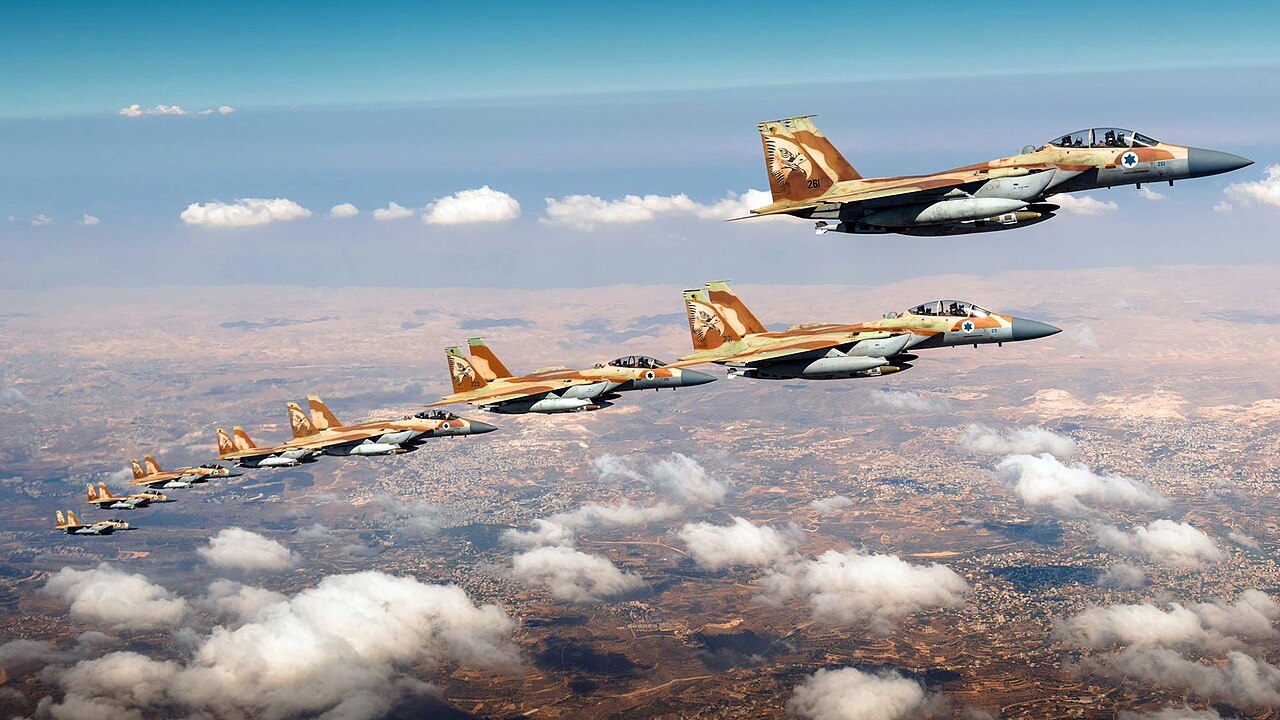
Recent military strikes by Israel and the U.S. against targets within Iran signal a dangerous new phase in the long-simmering tensions. While the stated objective remains a regime change in Tehran, the immediate consequence has been a rapid escalation, with Iran reportedly retaliating against U.S. military bases in neighboring Gulf states such as the United Arab Emirates, Bahrain, and Qatar. This dynamic fulfills a decades-old warning from diplomats: a regional inferno that not only threatens to strangle global energy markets by blocking the crucial Strait of Hormuz but could also fundamentally shake the foundations of European migration policy. For Germany, a nation with a recent history of absorbing large numbers of refugees, this scenario triggers immediate and profound anxieties.
Germany's Immediate Security Landscape: Vigilance Amidst Uncertainty
While Germany is not a direct party to the escalating military conflict, the tremors from the Middle East are distinctly felt within its borders. German security authorities are operating on heightened alert, meticulously monitoring and protecting Jewish institutions and locations with a U.S. affiliation. The potential for radicalized individuals or groups to exploit the conflict for domestic terror acts is a pressing concern, making vigilance paramount. Germany's Security on Alert: Analyzing Iran Conflict Impact offers further insights into these domestic concerns.
Crisis meetings and consultations are underway at all levels of government, including discussions among federal and state interior ministers. These gatherings aim to assess the evolving situation and coordinate responses to potential domestic consequences. Despite these internal preparations, the official stance remains clear: Germany is not a combatant. However, its deep engagement in international diplomacy, its role within NATO, and its humanitarian commitments mean it cannot remain insulated from the conflict's far-reaching effects. The intersection of the Iran war and Germany’s domestic security agenda is complex, requiring a multi-layered approach to threat assessment and mitigation.
Diverse German Political Reactions to the Escalation
The joint military actions by the U.S. and Israel against Iran have elicited a wide range of reactions from German politicians and public figures, reflecting the complex ethical, strategic, and humanitarian dilemmas at play. The political discourse highlights deep divisions and nuanced perspectives on how Germany should respond to this critical geopolitical development. For a comprehensive overview of these reactions, see German Politicians React to Escalating US-Israel Strikes on Iran.
- Humanitarian Concern: Omid Nouripour, Vice President of the German Bundestag (Greens), articulated a sentiment shared by many, stating his thoughts were with the people of Iran, emphasizing the human cost of the conflict.
- Justified Intervention: Hessia's Minister-President Boris Rhein (CDU) voiced strong support for the actions, characterizing them as a "preventive strike" against the "criminal Mullah dictatorship" in Iran. He highlighted the regime's alleged role as a financier of international terrorism, its brutal suppression of internal protests, and its persistent threats to regional peace, stressing the imperative to prevent Iran from acquiring nuclear weapons. CDU foreign policy expert Roderich Kiesewetter echoed this view, arguing the military strike was justified given Iran's long-standing breaches of the international nuclear agreement, its pursuit of military nuclear capability, and its refusal to recognize Israel's right to exist. Kiesewetter described the attack as "carefully planned and limited," expressing optimism for its "prospect of success."
- Deep Concern: On the other side of the spectrum, Ralf Stegner, Deputy Chairman of the SPD, expressed deep concern, labeling the developments as "worrying." This reflects a more cautious approach, emphasizing the potential for unintended consequences and further destabilization.
- Migration and Security Prioritization: Markus Frohnmaier, foreign policy spokesman for the AfD parliamentary group, focused on Germany's national interests, urging the federal government to implement all necessary measures to prevent potential terrorist attacks within Germany. Crucially, he also demanded that possible refugee movements should remain within the region, thereby preventing another uncontrolled wave of migration to Germany. This perspective underscores a central concern for many German voters and highlights a key aspect of the "iran krieg deutschland" discussion – the immediate and future impact on migration flows.
The varied responses underscore the multifaceted challenges Germany faces: balancing support for allies, safeguarding regional stability, preventing proliferation, protecting human rights, and managing domestic security and migration policies.
The Looming Refugee Challenge for Germany
Perhaps the most pressing concern for Germany emanating from the Iran war is the potential for a new, large-scale refugee wave. A regional conflagration in the Middle East has historically proven to be a catalyst for mass displacement. Millions could be forced from their homes within Iran and neighboring countries, seeking refuge in safer territories. Given its economic strength and humanitarian track record, Germany is often perceived as a primary destination in Europe.
Germany's experience during the 2015 refugee crisis remains a powerful and divisive memory. The country welcomed over a million refugees, primarily from Syria, Afghanistan, and Iraq, an act that showcased immense humanitarian compassion but also strained public services, fueled social debates, and significantly impacted political landscapes. The prospect of a similar or even larger influx from an Iran war-driven displacement immediately raises questions about Germany's capacity to integrate newcomers, the burden on its social welfare system, and the potential for renewed political polarization.
The call from some German politicians, like Markus Frohnmaier, to ensure that refugees remain within the region highlights a pragmatic, albeit controversial, policy aim. This approach advocates for increased humanitarian aid and robust refugee infrastructure in countries bordering the conflict zones, aiming to stabilize populations closer to their homes and prevent longer-distance migration to Europe. However, the sheer scale of potential displacement from an Iran conflict could easily overwhelm regional capacities, making a spillover into Europe, and particularly Germany, almost inevitable without comprehensive international strategies.
Looking Ahead: Germany's Strategic Responses and Preparedness
In the face of these escalating tensions, Germany finds itself in a precarious balancing act. Its strategic responses must encompass diplomacy, security, and humanitarian aid. Key areas of focus include:
- Diplomatic Engagement: Germany, as a significant European and global actor, must leverage its diplomatic channels to de-escalate the conflict, advocate for peaceful resolutions, and protect international law. This includes working with EU partners and other global powers to find off-ramps from the current military escalation.
- Humanitarian Aid and Regional Stabilization: Investing significantly in humanitarian aid for displaced populations within the region is crucial. This helps alleviate suffering and can mitigate the drivers of further migration towards Europe. Strengthening stability in neighboring countries through development aid and support for refugee infrastructure is a proactive measure.
- Strengthening Internal Security: Continued vigilance and resource allocation for domestic security agencies are paramount to counteract potential terror threats and ensure public safety.
- Migration Policy Review: Germany must review and refine its migration policies, drawing lessons from past experiences, to ensure a humane yet controlled approach should new refugee waves materialize. This involves robust border management, efficient asylum processing, and integration strategies.
- Energy Security: Given the threat to the Strait of Hormuz, Germany must continue to diversify its energy sources and strengthen its energy reserves to insulate its economy from potential disruptions in global oil and gas supplies.
The Iran war presents Germany with a complex array of challenges, from ensuring domestic security to managing potential refugee flows and navigating intricate geopolitical currents. The nation’s capacity for resilience, strategic foresight, and compassionate action will be tested in the coming months.
In conclusion, the escalating conflict in the Persian Gulf directly impacts Germany through various channels, most notably the heightened risk of new refugee movements and increased domestic security concerns. While German politicians express a spectrum of views on the military actions, there's a collective understanding of the gravity of the situation. Germany must remain vigilant, engage actively in diplomatic efforts, prepare its security apparatus, and develop robust, humane strategies to manage potential migration flows, all while safeguarding its economic stability and societal cohesion. The global repercussions of this conflict demand a comprehensive and coordinated international response, with Germany playing a crucial role in advocating for peace and stability.